Skill Guides
The Problem, Stated
Home exterior work—roofing, siding, windows, and deck construction—sits at an awkward intersection. YouTube has made every homeowner believe they can learn to do it. Supply stores sell the materials. But the gap between understanding a concept and executing it safely and durably is enormous. The most common damage we repair isn't the result of missing shingles or failed materials. It's the result of DIY installation gone wrong: flashing that doesn't shed water, siding seams that allow moisture into the wall cavity, windows that weren't sealed properly, deck railings that don't meet safety codes. The cost to fix these problems always exceeds the cost of hiring it done right the first time.
What It Should Look Like When Done
Questions to Ask Before Committing
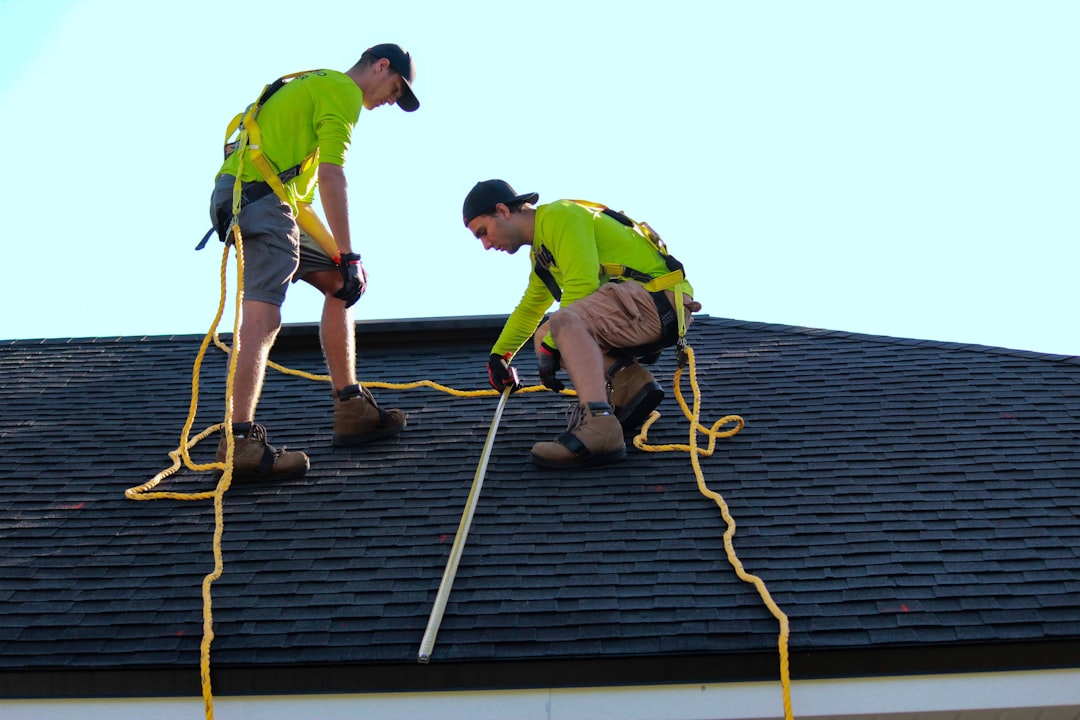
Do I have fall protection and the right equipment?
Roof work kills 200+ homeowners per year in the US. A safety harness, a rated anchor point, and proper footwear aren't optional. If you're borrowing a ladder and hoping for the best, you're not ready. Rental companies charge $40–80 per day for scaffolding and safety gear. That's not expensive compared to a hospital bill.
Do I understand water management?
Ninety percent of water damage comes from improper flashing, poor slope, or blocked drainage. You can install a shingle or nail a board, but understanding how water moves—upslope versus downslope, where it pools, where it needs to drain—requires experience. Siding that looks fine from the ground can be rotting the rim board behind it.
Am I working within code requirements?
Deck railings must meet specific height and balustr spacing. Windows need proper R-value ratings. Roof slopes affect how shingles perform. Your local building code exists because homes built outside those standards fail. A permit isn't bureaucracy—it's your insurance that the work will hold.
Do I have the right tools, or will I buy them?
A roofing nailer runs $200+. A pneumatic shear for siding costs $150. Proper flashing tools, caulking guns, and measuring equipment add up fast. If you're buying tools for a one-time project, you're already past the price of hiring a contractor with tools already on the truck.
The Options Compared
Most homeowners exist on a spectrum between two extremes: doing everything yourself to save money, or hiring contractors for everything because it feels safer. The smart approach is usually somewhere in the middle. Small repairs—replacing a few shingles, recaulking a window, patching siding—can be DIY if you're handy, willing to research, and willing to fail safely (that is, on something small that won't damage the house). Full roof replacements, structural deck work, and whole-house siding projects should go to professionals. The financial risk of getting a full roof wrong exceeds any savings from doing it yourself.
Experience teaches you the limits. A roofer has done 200 roof installations. They know what works in your climate, which materials last longest, how to handle surprises under the existing roof, and how to install in rain or cold weather. That accumulated knowledge costs something. But it's cheaper than paying to fix the work twice.
What to Consider First
-
Be honest about your abilities
Have you successfully completed similar work? Can you follow manufacturer instructions without improvising? Are you comfortable working at height? Your answer to these questions matters more than your willingness to learn.
-
Inventory what you already own
Calculate the cost to buy or rent the specialized tools a job requires. Add that to the cost of materials. If the total approaches contractor pricing, you've lost the financial advantage.
-
Account for the actual duration
A contractor completes a roof in 1–2 days. A homeowner might spend 10 weekends. Your home is exposed during that time. Weather delays become real problems. Crews working in your space need access to electricity and water. That complexity isn't free.
-
Understand what you're giving up
A professional installation comes with a material warranty (10–25 years depending on shingles) and a workmanship warranty (5–10 years). DIY work has no warranty. If something fails in year three, you're buying new materials and paying someone to fix your fix.
When to Call a Professional
Call a professional for any work that affects water management: roofs, flashing, gutters, and siding. Call for structural work: decks, railings, and anything load-bearing. Call for anything on the second story where a fall becomes life-threatening. Call when your homeowner's insurance requires a licensed, bonded contractor as a condition of coverage (most do for roofing work). Call when your local building code requires a permit and inspection—that requirement exists because the work is complex enough to warrant oversight. Call when you're unsure. A 30-minute consultation with a contractor costs nothing and will tell you whether a job is DIY-able or not. That answer is worth far more than the cost of asking.