The Work
Professional roofing, siding, and exterior work looks deceptively simple from the ground. A finished roof should blend into the home's design, and quality siding should sit for decades without complaint. But what you see is the result of careful material selection, precise installation sequences, and attention to details that aren't visible once the work closes up.
We wanted to pull back the curtain on what makes exterior work genuinely last. The difference between a roof that survives 15 years and one that makes it to 25 comes down to flashing technique, underlayment choices, and ventilation. The difference between siding that warps and siding that holds its line comes down to fastener spacing, starter strips, and whether someone accounted for thermal expansion.
Understanding the work helps you spot quality when you're comparing bids, and it keeps you from being surprised by the decisions a contractor makes on your property.
Next step
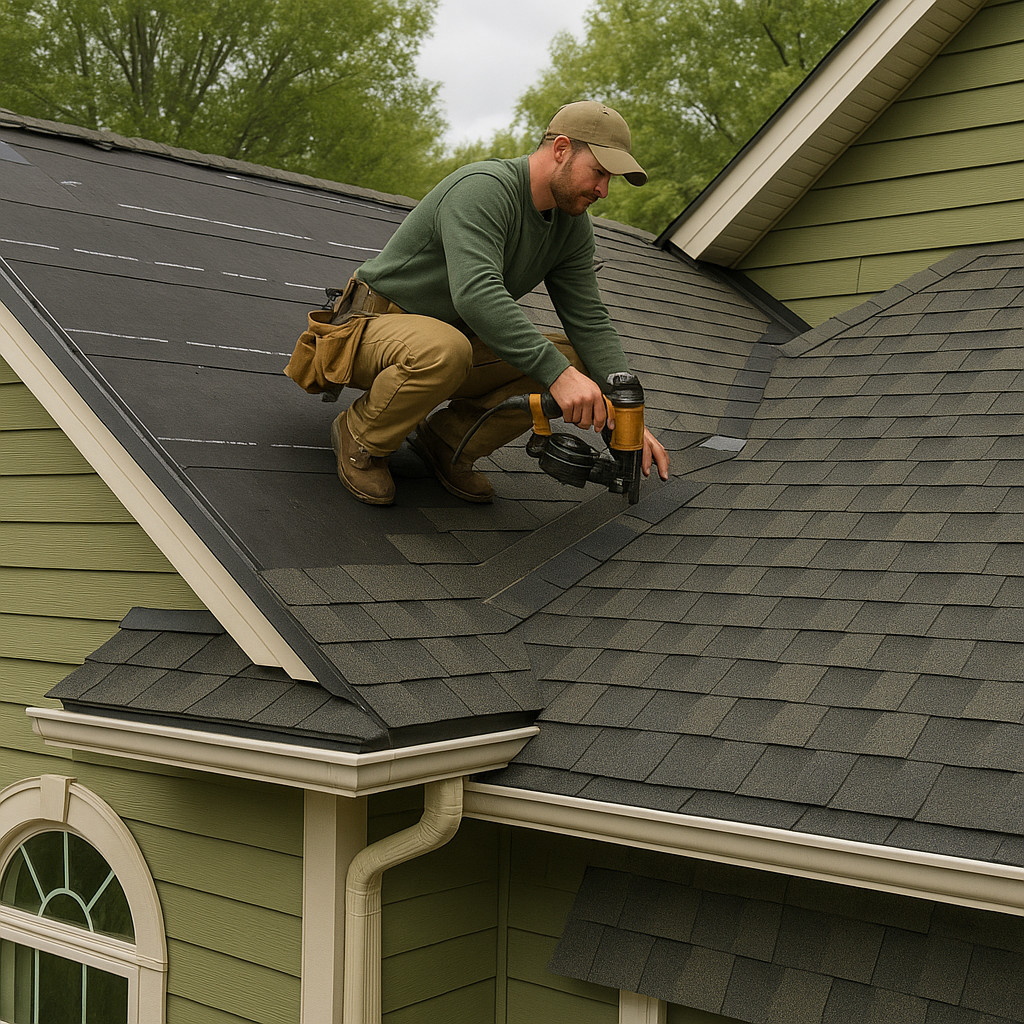
Before a crew touches your roof, they evaluate the substrate. If the existing roof has failed, the question becomes whether to recover or tear down to bare wood. Tear-downs cost more but reveal moisture damage that can compromise the whole structure if left untreated. Most residential jobs in our region run 3–5 days for a complete replacement, depending on complexity and roof pitch.
Siding projects follow a similar logic: substrate prep matters. Existing siding gets evaluated for rot, and if any boards need replacement, those come out first. Vinyl siding installation typically takes 2–4 weeks per 3,000 square feet, accounting for weather windows and detail work around openings.
The reference table
Roofing materials
Asphalt shingles dominate residential roofing in the Northeast. Standard three-tab shingles run 15–20 years; architectural shingles extend to 25–30 with better wind resistance. Metal roofing, while pricier upfront at $12–18 per square foot installed, can reach 40+ years. Flat roofs in commercial work often use TPO or EPDM membranes, each with different thermal and maintenance profiles.
Siding systems
Vinyl siding runs $3–12 per square foot installed, depending on profile and thickness. Fiber cement costs 40–60% more but tolerates New England weather better and can be painted without the fading that affects vinyl. Wood siding moves in and out with humidity; most installations include 1/4-inch expansion gaps at corners. Proper ventilation behind all siding types prevents moisture buildup and premature failure.
Flashing and transitions
Flashing is where roofs fail. Valleys collect water and need 26-gauge galvanized steel or aluminum bent to specific angles and installed with the right fastener pattern. Chimneys, skylights, and wall transitions all demand flashing that bridges roof planes and sheds water reliably. Many leaks traced back months later started as a single corner left unwelded or a fastener drilled through instead of in the field.
Underlayment and ventilation
Modern roofing sits on 50-year or synthetic underlayment that catches wind-driven rain before it reaches the substrate. Ventilation takes two forms: intake air runs along the soffits and exhaust air exits at ridge vents or roof penetrations. The math is straightforward—1 square foot of ventilation per 150 square feet of attic space—but it's often left undone. Poor ventilation drives shingle failure and ice-dam problems. Siding projects use similar logic: proper soffit and fascia ventilation keeps moisture from migrating into wall cavities.
Why details matter
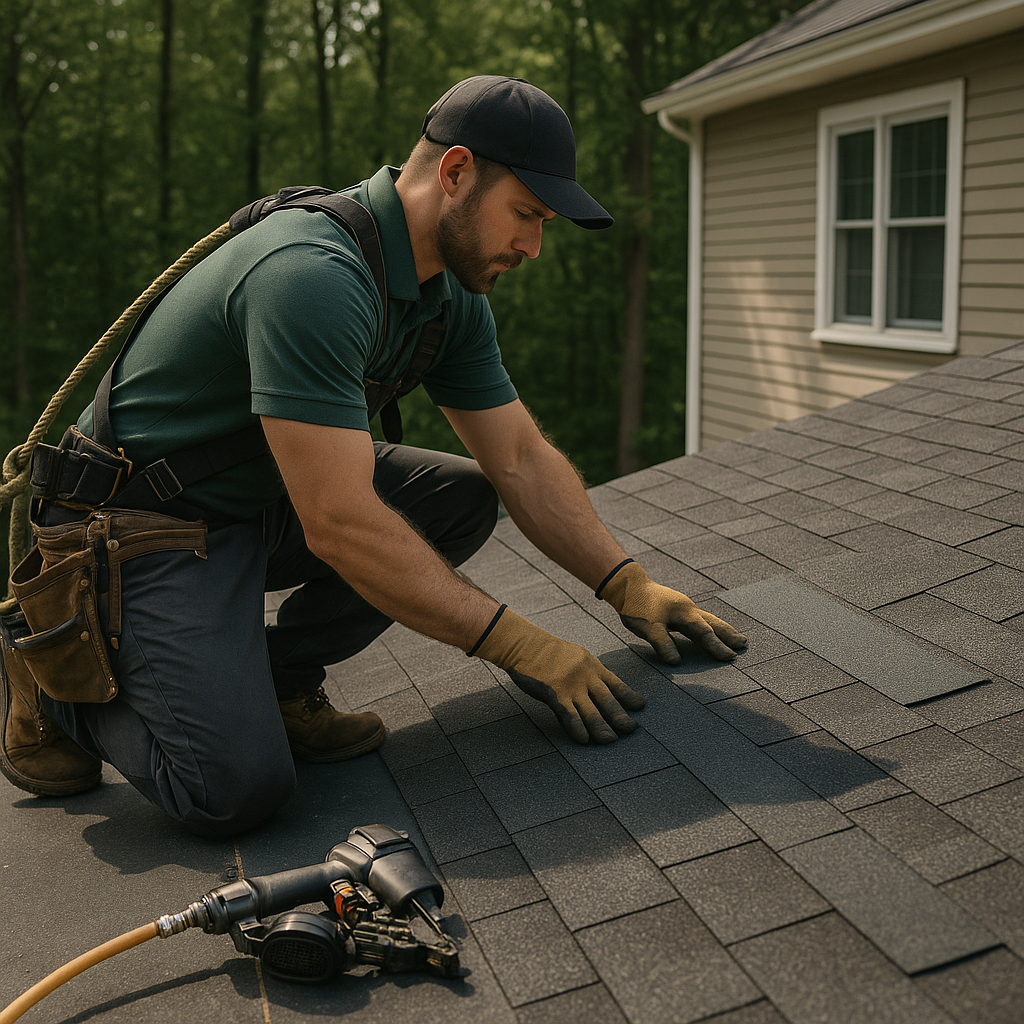
A roof's lifespan hinges on decisions made during installation. Fastener placement on shingles follows a precise pattern—too high and wind gets under them, too low and you drive water into the layers below. Nail sizes, types, and spacing all affect performance. Over 20 years, a single misplaced fastener becomes a potential entry point for weather.
The same precision applies to siding. J-channels need to accommodate thermal movement; starter strips need to sit at exactly the right height; and corner posts need to run plumb or siding will cup and separate over time. These aren't visible once the paint goes on, but they determine whether the siding still looks fresh at year 10 or starts showing signs of poor installation.
See it in action
Knowing what goes into the work helps you ask the right questions. What's the warranty covering, and for what duration? Are there contingencies if substrate damage is found during installation? How is cleanup handled? A contractor comfortable answering these means they're thinking about the same details that separate work that lasts from work that doesn't.